
By Bloomberg News
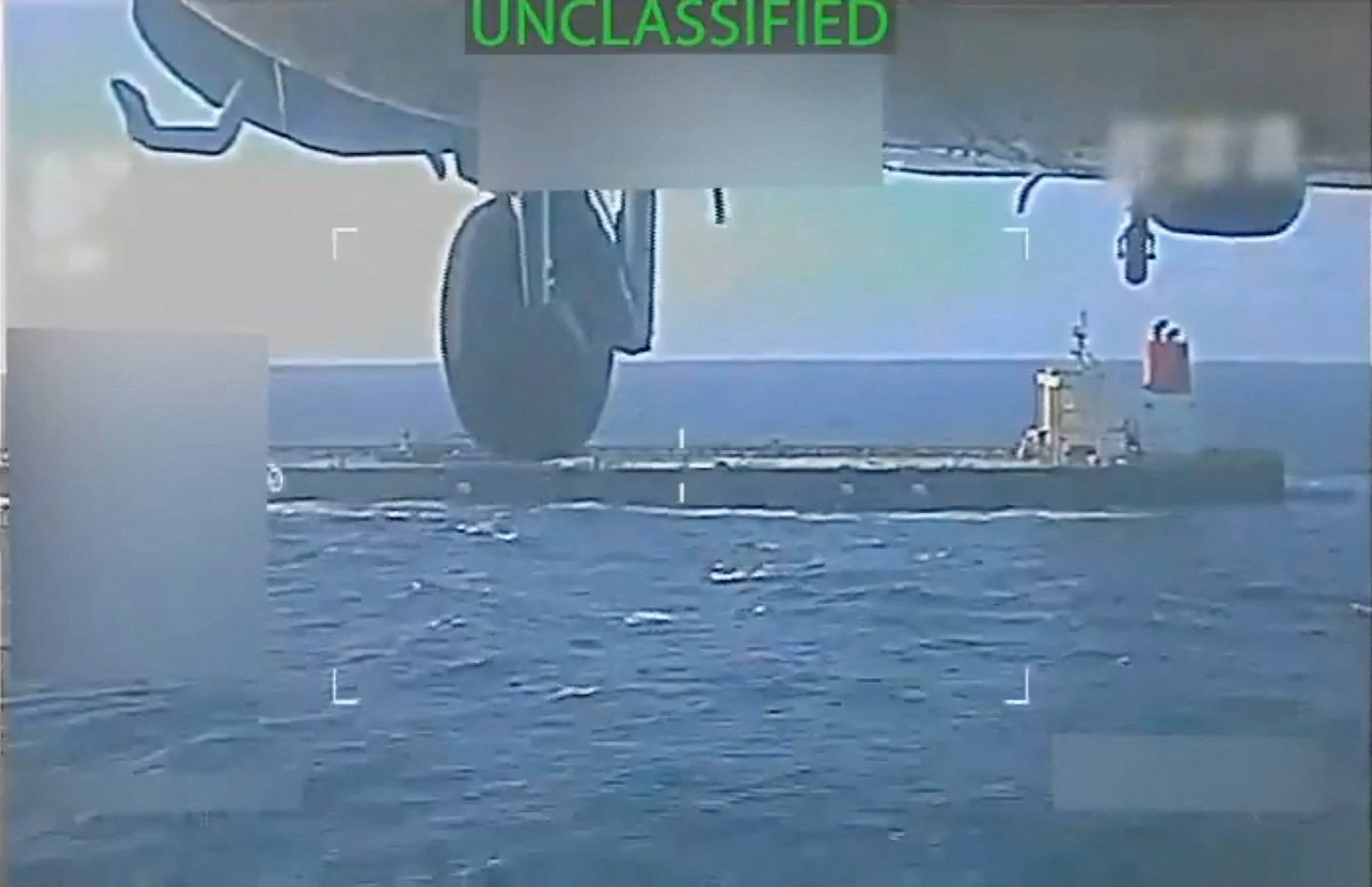
Dec 12, 2025 (Bloomberg) – Venezuela is facing a new financial crisis after the US seized a sanctioned oil tanker near its coast. This action could cut off one of the few remaining sources of income for a country that is once again on the edge of hyperinflation.
The country's socialist government has struggled since Donald Trump imposed stricter oil trading restrictions earlier this year. Oil sales, which are the main source of dollars for the government, have dropped by 30% in the first ten months of 2025. This has put pressure on the exchange rate and driven prices up, with annual inflation expected to exceed 400% by the end of the year, according to local economists who wish to remain anonymous for safety reasons.
Once one of the wealthiest nations in Latin America, Venezuela has been in an economic crisis for over a decade, with around 25% of its population leaving for better opportunities abroad. The seizure of the tanker, which could carry up to 2 million barrels of oil, poses a serious threat to the country's already fragile economy.
“If the US continues to seize vessels, Venezuela's ability to import goods will decline sharply, pushing the nation into another recession,” stated Francisco Rodríguez, a Venezuelan economist and professor at the University of Denver.
The economic situation is worsening, but there is a lack of reliable data as the government has been cracking down on independent analysts. At least eight economists and consultants have been imprisoned this year for sharing their estimates on inflation and the economy.
Economists were already predicting a downturn in 2026 before the recent aggressive actions by the US. The central bank recently reported a growth of 8.7% for the third quarter, in contrast to local estimates predicting around 5% growth for 2025 and a 1% decline for the following year, even before the tanker was taken.
The local currency, the bolivar, has lost over 80% of its value since January, despite government efforts to stabilize it. The economy is increasingly reliant on the US dollar, yet Venezuelans still use bolivars for everyday purchases to take advantage of exchange-rate differences. Some retailers have started pricing goods based on the euro rate, which is slightly higher.
Currently, Venezuela, a member of OPEC, exports approximately 900,000 barrels of oil each day, with about 750,000 barrels (or 80%) going to China. Around 30% of shipments utilize a fleet of sanctioned vessels like the one that was seized. The US is reportedly preparing to intercept more ships transporting Venezuelan oil.
Since 2019, Washington has imposed extensive economic sanctions on Venezuela, cutting off access to foreign currency. It took President Nicolás Maduro four years to stabilize the economy, curb hyperinflation, and reverse one of the worst recessions in modern times largely by allowing the US dollar's broader usage.
However, this recovery has been fragile. Traders report that sales to Asia could become more complicated due to buyers seeking larger discounts, which would also hurt the government’s finances. Some estimates suggest discounts could double, reaching as much as $30 a barrel below Brent crude prices. The state-owned oil company, Petroleos de Venezuela, has been under pressure in recent months with shipment delays due to protracted price negotiations.
The seizure by the Trump administration is seen as a major turning point that could significantly alter Venezuela’s oil revenue forecasts for 2026, leading to potentially higher discounts and possibly halting exports altogether, according to Alejandro Grisanti, a Venezuelan economist. This move is expected to deter the Venezuelan black market for oil significantly.
If these seizures continue and discounts rise, the economy will likely feel the effects quickly. The supply of dollars is already tight, and the gap between the official and parallel exchange rates has widened to nearly 70%, which is likely to push prices higher in the near future.
“The country is heading towards hyperinflation,” warned Barclays economist Alejandro Arreaza. “A larger oil discount will only speed up this process.”