
DOHA/DUBAI/WASHINGTON, July 1 (Reuters) – The U.S. and Iran have engaged in indirect technical discussions in Doha, aiming to establish regulations for shipping through the Strait of Hormuz and to secure a lasting ceasefire, according to sources familiar with the talks and an Iranian official.
These discussions are based on a 14-point interim agreement signed last month, which aims to end the conflict that started with U.S.-Israeli strikes on Iran in February. The agreement also seeks to reopen the strait and initiate 60 days of negotiations towards a permanent peace deal.
However, public disagreements over the interpretation of this interim pact have led to retaliatory military actions in the past week, showing little progress on more complicated topics, such as Iran's nuclear program.
Iran is determined to gain international acknowledgment of its control over the strait and its right to charge fees to ships entering or exiting the Gulf, even if it requires using force, according to two senior Iranian sources.
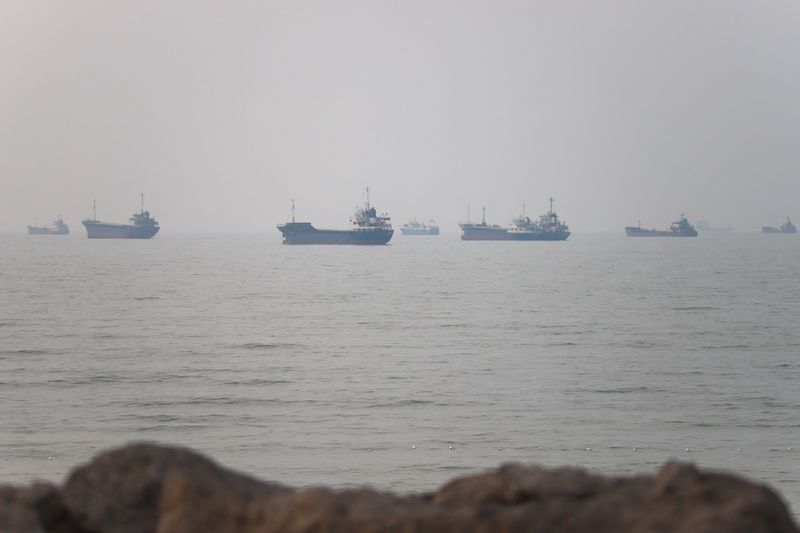
Some traffic has resumed through the strait, which used to handle 20% of global oil and liquefied natural gas trade before the conflict.
U.S. President Donald Trump, who insists on prioritizing the removal of Iran's highly enriched uranium, stated on Wednesday that "the denuclearization of Iran is moving along well," although he did not provide specific details.
"They’ve had very good meetings, and we’ll see," he said regarding the Doha discussions, where there hasn't been any indication that the nuclear issue has been addressed yet.
FOCUS ON HORMUZ, FROZEN ASSETS
The indirect talks, facilitated by Qatar and Pakistan, began Tuesday night and continued into Wednesday, as confirmed by the Iranian official.
The discussions are designed as sessions between chief negotiators and specialists, with Jared Kushner, Trump’s son-in-law, and envoy Steve Witkoff meeting with Qatar’s prime minister to lay the groundwork but not participating directly.
Kazem Gharibabadi, Iran’s Deputy Foreign Minister, is leading Iran’s delegation, which includes representatives from the foreign ministry, central bank, and agriculture ministry, for meetings with Qatar’s prime minister and mediators.
Iran has publicly emphasized that priorities in the discussions include managing the strait and the release of $6 billion in frozen Iranian assets. The current discussions are expected to focus on these two key issues.
The U.S. has indicated that its main goal is to ensure the uninterrupted flow of traffic through the strait, according to the source familiar with the talks.
On Wednesday, Iranian state media reported that a foreign container ship ran aground in the Strait of Hormuz after straying into shallow waters outside the designated shipping routes established by Iranian authorities.
“Hormuz continues to reopen, but it’s patchy, unpredictable, and not fully transparent,” stated Vandana Hari, founder of the oil market analysis firm Vanda Insights.
INTENSIVE DIPLOMACY ON LEBANON
The warfare has led to Iranian attacks on Gulf states that host U.S. military bases, resulting in thousands of casualties, primarily in Iran and Lebanon, while raising oil and fuel prices.
Trump is facing domestic pressure to manage the economic fallout from the conflict ahead of the midterm elections in November, alongside criticism from his party that the interim deal does not meet U.S. objectives.
Within Iran, the ruling regime has survived the war but is grappling with significant public discontent over a collapsing economy.
On Wednesday, oil prices dropped by about 1%, with U.S. West Texas Intermediate crude hitting its lowest level since February 27, at $69.12 a barrel—just a day before the war began.
The interim agreement between the U.S. and Iran also aims to resolve a parallel conflict involving Israel and Hezbollah, the Iranian-backed militant group in Lebanon.
The U.S. has supported a separate set of discussions between Israel and the Lebanese government, which has produced a framework security deal that Hezbollah has rejected, with analysts warning it could solidify Israel’s presence in southern Lebanon.
There has been a surge of diplomatic activity concerning Lebanon among various parties, including the U.S., leading up to Tuesday evening discussions, according to sources familiar with the negotiations.