
(Bloomberg) — Saudi Arabia is currently negotiating with customers to secure oil loadings for next year outside the Strait of Hormuz under long-term contracts. This process formalizes a system that has been in use during the Iran war as the country aims to increase its market share.
According to sources close to the negotiations, discussions are still ongoing and are expected to wrap up by the end of the year. If successful, this would change how Saudi Arabia delivers crude oil to its customers, as long-term contracts typically account for most of the kingdom’s oil supply.
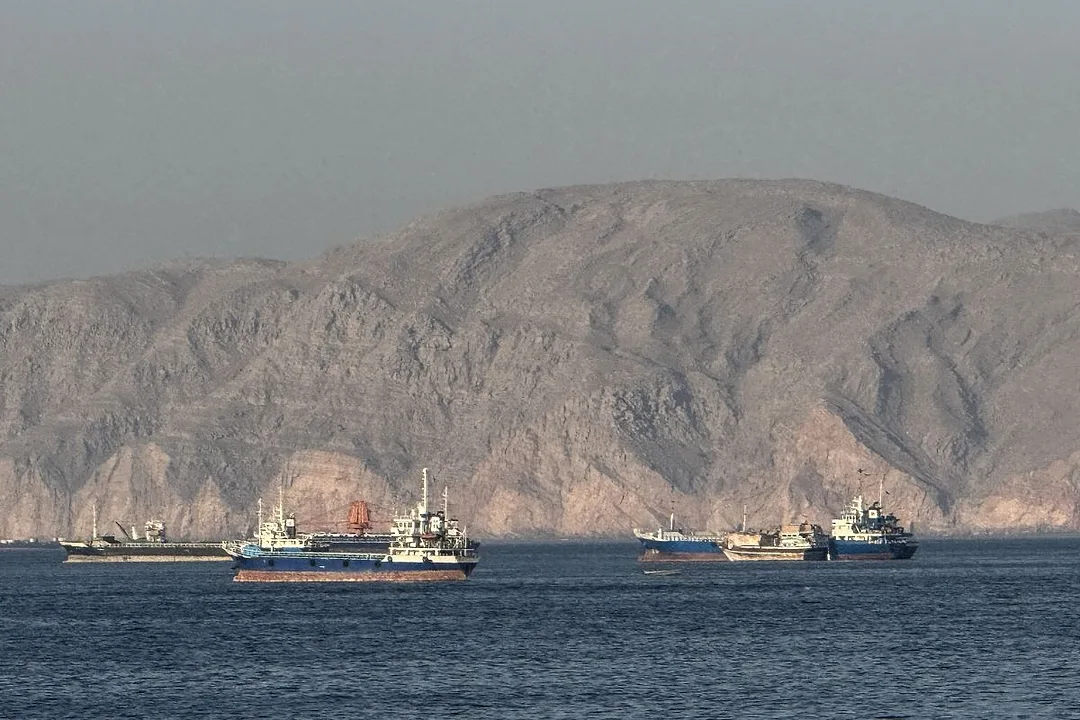
The ongoing conflict, now in its eighth month, has disrupted traditional oil shipping routes, significantly affecting the Strait of Hormuz. Major Gulf exporters have had to adapt to maintain customer satisfaction. A new system involving shuttle transfers through the strait — with sellers often assuming the risks — has become essential to keep the market supplied amid rising competition for buyers.
Saudi Aramco, the state-owned oil company, is also discussing other changes, such as offering different pricing benchmarks and possibly delivering oil directly to customers in Asia. These discussions are private, and no final agreements have been reached yet regarding pricing, freight, and volumes.
Neither Aramco nor the Saudi Energy Ministry responded to requests for comments on these discussions.
Before the conflict, Aramco’s main customers in Asia would arrange their own vessels to pick up oil from the Ras Tanura export terminal. Saudi Aramco usually did not coordinate the shipping.
Since the outbreak of the war, some shipowners have hesitated to navigate the Strait of Hormuz, making it difficult for buyers to find tankers at reasonable prices, despite the availability of oil. This has led to the development of a shuttle system used by the UAE, Saudi Arabia, Kuwait, and Iraq to transfer their shipments outside the strait.
According to sources, Saudi Aramco has been supplying its three main export grades — Arab Light, Medium, and Heavy — through these shuttle transfers.
Recently, the company has also permitted some buyers to conduct ship-to-ship transfers off the coast of India. This provides a safer option for customers unable to access the Gulf of Oman due to security concerns while helping to ease congestion at ports in the Arabian Peninsula.
Aramco is looking into more ways to arrange shipping to deliver crude directly to customers. These potential options could not only streamline exports but also enable Aramco to benefit from the increased costs associated with hiring ships to pass through Hormuz.
Additionally, some Asian customers are discussing the possibility of pricing their long-term contractual purchases against Brent futures instead of the existing Dubai and Oman benchmarks. This would provide added flexibility for the Gulf producer.