
On October 5, Yemeni Information Minister Moammar al-Eryani announced that the Saudi-backed Yemeni government forces have gained significant control over the Bab el-Mandeb Strait. However, clashes with Houthi forces in the region are still ongoing.
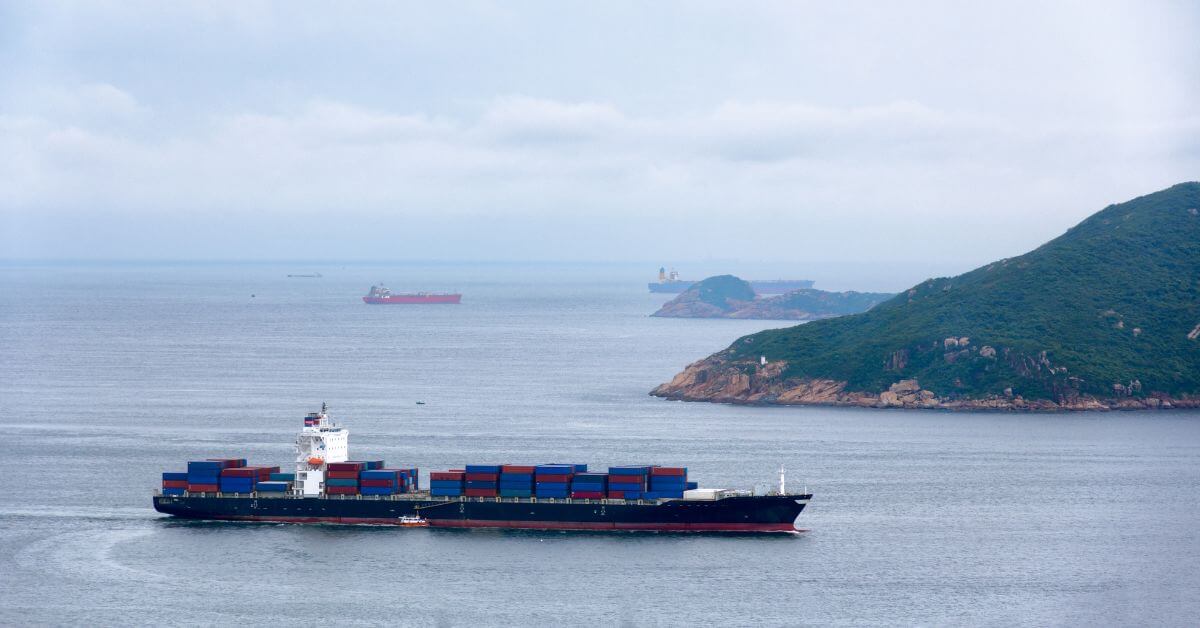
The government troops made swift progress along the coastline, supported by extensive Saudi airstrikes, and captured strategic locations in the Dhubab area, which is at the narrowest point of the strait. This strait is an essential oil transport route, and its capture by the Iran-supported Houthis last month caused disruptions in the energy markets.
Eryani stated that the military had taken control of the Dhubab airstrip, located just inland from the strait, effectively isolating the remaining Houthi fighters in the vicinity. However, another government source indicated that fighting continued at a military base near the strait.
In contrast, the Houthis refuted claims of territorial gains made by the government forces, labeling them as "completely untrue" and issued threats to attack any aircraft operating in Saudi airspace.
Although securing the coastal area around the strait would hinder Houthi efforts to disrupt shipping between the Mediterranean and Indian Oceans, they still have the capability to target vessels with drones from areas further up the coast and inland.
Additionally, the Houthis have made significant gains near the city of Taiz by capturing parts of a mountain road, effectively besieging government forces in the area, according to five military sources affiliated with the Yemeni government. However, another source disputed the claim that the road had been cut off.
THREAT TO A KEY ENERGY EXPORT ROUTE
The conflict in Yemen has escalated in recent weeks after being dormant for some time, reigniting as a fallout from the US-Iran tensions. The Houthis are attempting to gain control over the critical Bab el-Mandeb Strait while launching missiles and drones at Saudi cities and infrastructure.
With Gulf energy supplies already affected by Iran's blockade of the Hormuz Strait, the ongoing clashes in Yemen pose a risk to another crucial oil export route, leading to rising global oil prices and increasing instability in the region.
The renewed fighting has also intensified the humanitarian crisis in Yemen, with the UN migration agency reporting that approximately 184,000 people have been displaced since the conflict restarted.
The internationally recognized Yemeni government announced a new offensive to reclaim territory on Sunday, with President Rashad al-Alimi vowing to fight "until the country is freed from the grip of the terrorist militia."
Saudi Arabia, which provides arms and training to Yemeni government forces, is backing this military campaign with air support and seeking logistical assistance from allies to counter the Houthis, restore safe navigation in the Red Sea, and stop their attacks on Saudi territory.
On Monday, Riyadh reported that it targeted hundreds of sites in Yemen to ensure air cover for the Bab el-Mandeb Strait and Yemeni ground troops.
The Yemeni government also stated that it has initiated attacks on multiple fronts, including the Sanaa province, the capital of Yemen. According to the Houthi-controlled health ministry, strikes in Sanhan and Sa'wan districts resulted in two deaths and seven injuries.
INTENSE FIGHTING IN SOUTHWEST YEMEN
Although fighting is occurring across several fronts in Yemen, the worst clashes have been in the southwest, especially near the coastal area by the strait and in the hilly regions around Taiz, where the Houthis are trying to encircle government forces.
Last week, Houthi attacks damaged a culvert on the Taiz-Aden road, rendering it impassable.
On Sunday night, Houthi fighters reportedly made new advancements into the town of al-Turbah, located on a prominent position along the road, according to five government military sources, although another government representative denied this report.
A Houthi-run news agency stated that they had pushed government forces out of the al-Mawasit district in Taiz province, reaching close to the residence of Alimi, head of Yemen's interim presidential council.
These new advances are said to leave Taiz, Yemen's third-largest city with a population exceeding half a million and a military presence of thousands of government fighters, surrounded by Houthi forces.
Taiz has been at the forefront of the conflict since the early days of the civil war, frequently subjected to Houthi shelling and sniper attacks.
In the al-Mudhaffar area, just outside Taiz but within the encircled zone controlled by the Houthis, long lines formed at a petrol station on Monday as residents waited for fuel and cooking gas canisters.
“This is the daily situation in Taiz. The suffering of the citizens continues,” remarked a man in line, Shehab Hazaa.
The conflict began in Yemen when the Houthis took control of the capital Sanaa in 2014. This triggered a Saudi-led coalition's intervention the next year with an air campaign aimed at reinstating the government and ousting the Iran-backed group.
The fighting quickly reached a bloody stalemate, with most frontlines in a gridlock, resulting in a humanitarian crisis in the already impoverished Arab nation until a ceasefire was established in 2022, which held until this summer.