
By Eliyahu Kamisher and Nathan Risser
Dec 5, 2025 (Bloomberg) – A small city near San Francisco Bay is becoming a major challenge for California Governor Gavin Newsom as he tries to keep gasoline prices from rising in a state where fuel costs are already the highest in the nation.
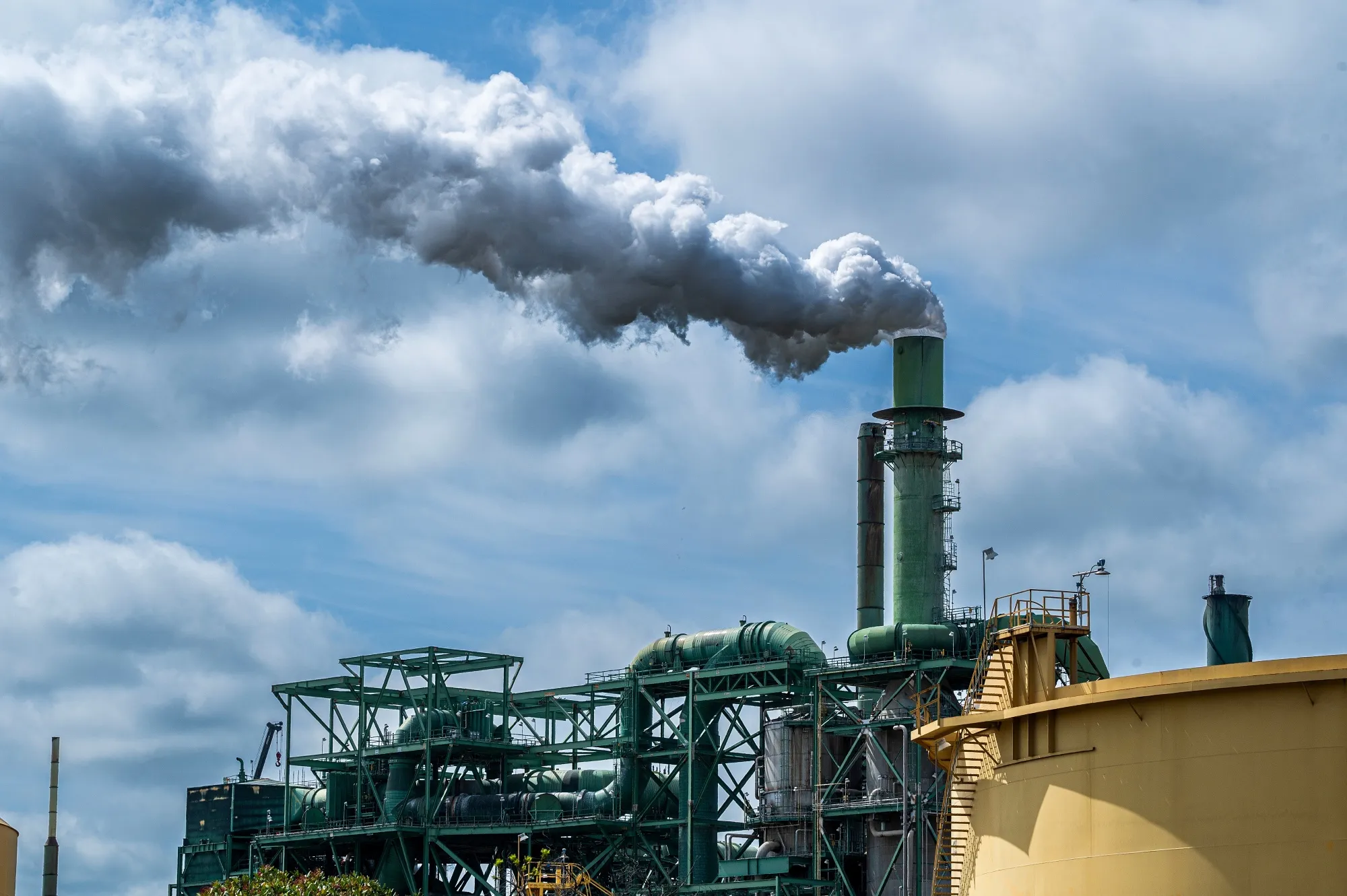
Valero Energy Corp. plans to close its refinery in Benicia in April as part of a trend of refinery shutdowns across California, which is moving away from fossil fuels. To prevent gas prices from skyrocketing, Newsom is looking at increasing fuel imports and exploring the Valero site, which is linked to a marine port, as a possible storage facility, according to Benicia Mayor Steve Young.
However, this proposal is not welcome among Young and other local leaders in this community of 27,000 people, who depend on the refinery for jobs and local tax revenue. If Valero cannot be convinced to keep the refinery open, Young prefers redeveloping the area to attract new businesses or to create retail and housing spaces.
“We’re going to resist this as much as we can,” Young said in an interview. Transforming the site into a fuel storage hub “is a terrible situation, because it won’t create jobs, won’t generate taxes, and will lead to continuous emissions from tankers.”
Young mentioned that he and the governor’s staff discussed this idea in meetings last month, with state officials inquiring if the city would allow a storage facility for up to 20 years. He noted that no formal proposal has been made yet. Young also indicated that Benicia might pursue a ballot measure to tax gasoline imports if needed.
The governor’s office stated they are “engaged with all interested and affected parties,” but did not provide further comments. Valero, located in San Antonio, Texas, did not respond to requests for comments.
California's refinery numbers have declined as the state shifts towards renewable energy and electric vehicles to combat climate change. If Benicia halts operations as planned in April, one-fifth of California’s refining capacity will have been lost within six months, following Phillips 66's closure of its Los Angeles plant in October. This could create challenges for Governor Newsom, especially as he considers a presidential bid.
One way to avert price spikes is to import more gasoline from countries like South Korea and India. However, California's regulations require special gasoline blends designed to reduce pollution, which are not used in other states and are produced by only a few facilities globally.
“Things are going to get pretty tricky pretty fast,” said Ryan Cummings, chief of staff at the Stanford Institute for Economic Policy Research. “If we can't increase import capacity to replace lost production—especially with the summer driving season approaching—then we’re likely to see significant price hikes.”
Newsom has made efforts to stop the Benicia refinery from closing but has not succeeded so far. Siva Gunda, vice chair of the California Energy Commission, has repeatedly traveled to Texas over the past year to meet with Valero executives and others in the oil industry.
California lawmakers have also tried to negotiate with Valero, but talks broke down when Valero requested over $400 million in public funds, according to state Senator Tim Grayson, who was involved in the discussions. He noted that the state was being “held hostage” by Valero.
In the meantime, Benicia is facing a budget crisis due to the impending closure of the refinery. The town is seeking interim funds to prevent significant cuts to essential services, Young stated.
“It’s a critical situation for Benicia,” Cummings added.