
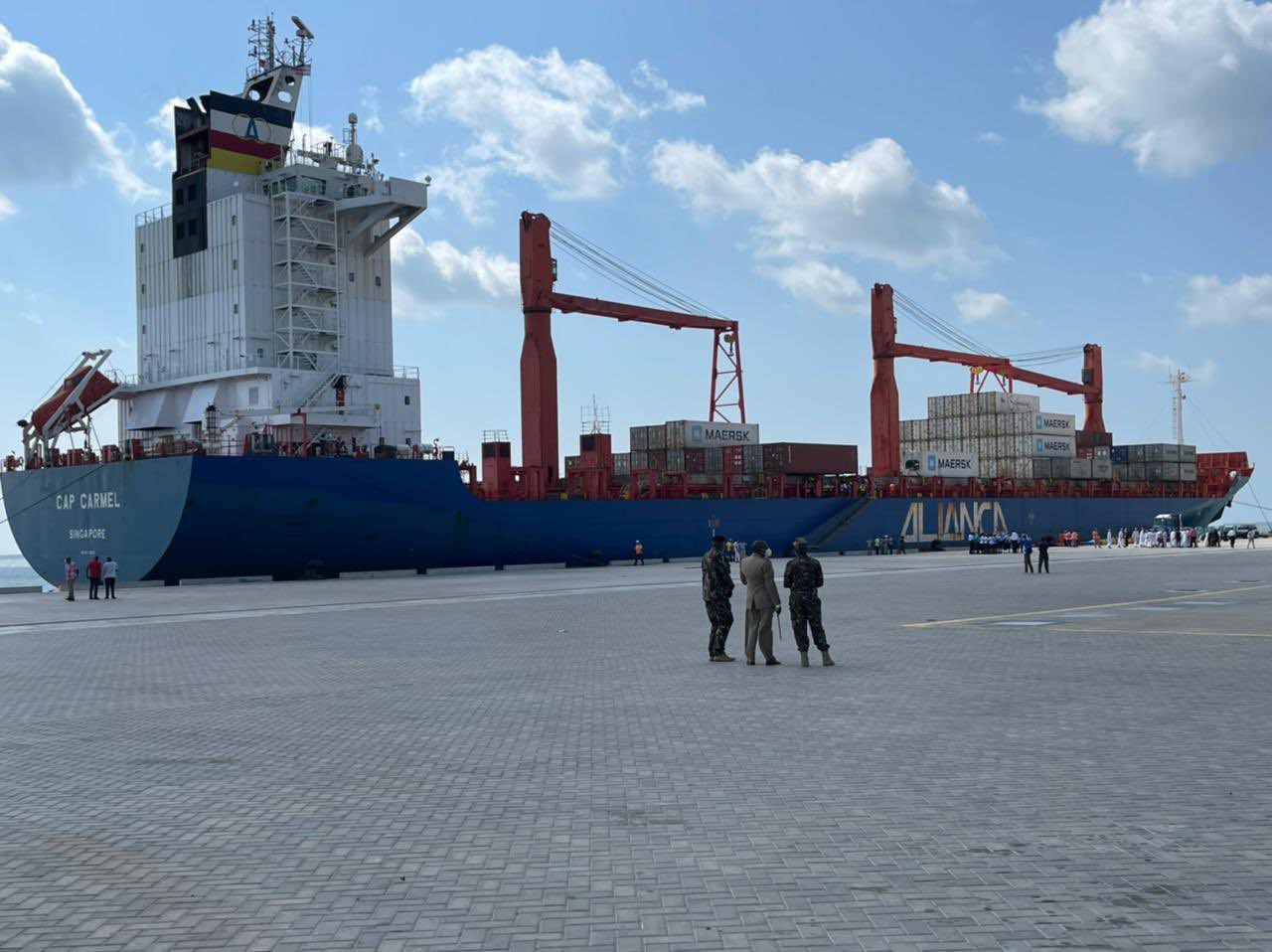
March 19, 2026 - The closure of the Strait of Hormuz has unexpectedly turned Kenya's Lamu port into a refuge for ships, as vessels heading to the Middle East are now rerouting and unloading their cargo at this less frequented port.
Lamu, located about 340 kilometers (210 miles) north of the much busier Mombasa Port, has welcomed 74 ships this year, according to a post by the Kenya Ports Authority on X. This figure represents roughly one-third of all the ships that have used the port since it opened in 2021. In contrast, Lamu only handled two container ships in the first quarter of the previous year.
With the Strait of Hormuz nearly closed, shipping companies have limited access to Dubai's Jebel Ali, which is the busiest container port outside of Asia. They are also avoiding the Red Sea route, instead opting for the longer trip around southern Africa. As a result, many ships are unloading their cargo in Lamu.
“The Port of Lamu is prepared for an increase in vessel arrivals in the coming days,” the authority noted on X. They believe this surge will boost regional trade and enhance Lamu's standing as a major transshipment hub in the area.
On Wednesday, the MV Grande Florida Palermo arrived at Lamu carrying 3,800 vehicles from Yokohama, Japan. This was just days after another car carrier unloaded hundreds of vehicles that were originally meant for Jebel Ali.
Another ship is set to offload 5,000 vehicles next week, according to KPA Managing Director William Ruto.
“Lamu Port is anticipating more ships to divert here, as several shipping agents have shown interest in docking space,” stated Lappset, the agency overseeing a transport corridor that includes Lamu port.
Prior to the US-Israel strikes on Iran, Lamu struggled to attract business because nearby Ethiopia — Africa's second-most populous country after Nigeria — primarily utilizes the port in Djibouti. Additionally, shippers have preferred Mombasa due to its road and rail connections to Uganda to the west.
Lamu was envisioned as part of a regional infrastructure initiative that includes an oil pipeline running from northwestern Kenya. This project, called the Lapsset corridor, aims to connect pipelines, roads, railways, and airports between Kenya, Ethiopia, and South Sudan.
However, progress on this plan has been slow, with only three out of the planned 32 berths constructed at a cost of approximately $480 million.
Another issue for potential users is Lamu's location. The picturesque resort town is about 100 kilometers from the Somali border and has experienced several attacks from al-Shabaab, a militant group linked to al-Qaeda.
Despite these concerns, the ongoing conflict is benefiting the port at present. Lamu charges $10 per car for storage after an initial free period of 10 days.
As of March 11, Lamu had received 43 vessels since the beginning of the year. By Wednesday, the total had risen to 74 ships.