
The Persian Gulf Strait Authority (PGSA), which is backed by Iran, has started its official presence on X. This move is a significant step by Tehran to establish and communicate its control over commercial shipping in the Strait of Hormuz.
The new account, named “PGSA_Iran,” introduced itself on Monday as the “official X account of the Persian Gulf Strait Authority.” It plans to share “real-time updates” about operations and developments in this crucial waterway.
In its second post, the organization stated that it is the “legal entity and representative authority of the Islamic Republic of Iran for managing passage through the Strait of Hormuz.”
They further warned that any navigation through waters defined by Iranian authorities now requires “full coordination” with Tehran.
According to their statement, “passage without permission will be considered illegal.”
The launch of this account seems to formalize what shipping industry leaders and maritime security firms have been warning about: Iran is trying to create a permission-based transit system through one of the world's most vital energy chokepoints.
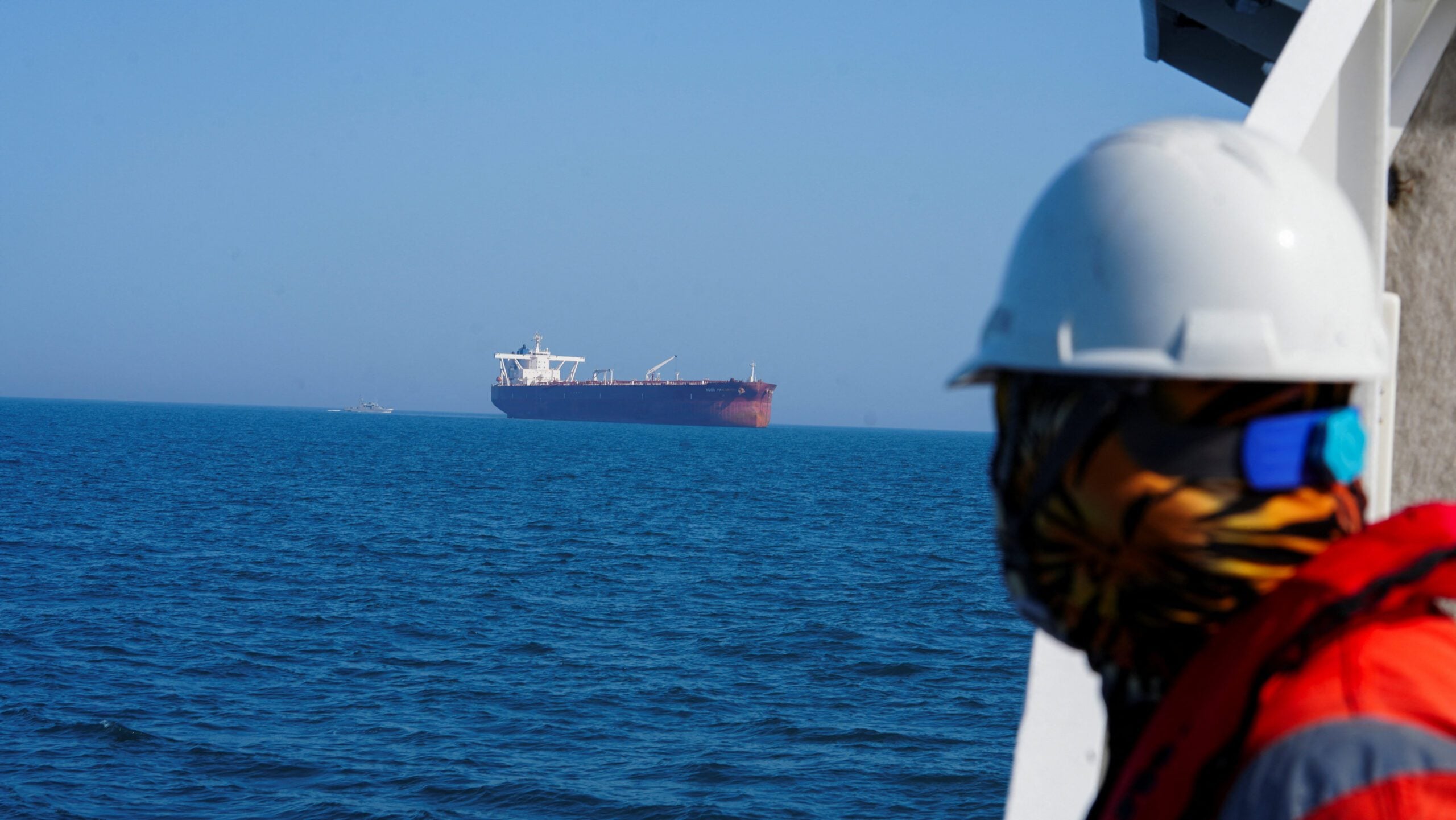
The Strait of Hormuz has been largely inactive since the start of the U.S.-Israel-Iran conflict, with commercial traffic declining significantly and many vessels either stranded or rerouted due to missile attacks, threats of mining, insurance cancellations, and increasing military tensions.
Earlier this month, Bloomberg reported that shipowners were being told to contact the PGSA directly for transit authorizations. A form shared with Bloomberg asked for detailed information, including the vessel's origin, destination, cargo value, previous flag registrations, and crew nationalities.
This raised immediate concerns in the industry.
Many shipowners and maritime security officials told Bloomberg that they were hesitant to attempt transits despite Tehran's public statements suggesting “safe, stable passage” could return with “new protocols.”
“The shipowners I’ve talked to said they will believe it when they see it,” said Halvor Ellefsen, a director at Fearnleys Shipbrokers UK Ltd. “It’s not the first time encouraging public statements have not led to positive outcomes.”
Concerns in the industry are not just about security risks. There are also increasing legal and sanctions issues linked to any direct coordination with Iranian authorities or the Islamic Revolutionary Guard Corps.
So far, shipping traffic has shown little sign of returning to normal levels, even though there have been occasional political hints of possible de-escalation.
This account launch comes at a time when maritime security advisories continue to caution about heightened risks around the Strait, including sporadic attacks, mining threats near the traffic separation scheme, and ongoing GPS interference.