
May 19, 2026 – A hedge fund based in Hong Kong that has performed better than others believes that shipping stocks offer a more attractive investment than artificial intelligence (AI), due to the risks associated with tech companies potentially overspending.
As of April, HD Capital Ltd.'s main fund had allocated 11% of its portfolio to oil transport and 6.1% to shipbuilders, making these sectors its largest investments. This $200 million multi-asset fund has outperformed 97% of its competitors this year and over the last five years, according to data from With Intelligence.
Michael Wang, the chief investment officer at HD Capital, stated, “The tanker market may stay strong until 2028–2029, as new capacity won’t be added until then. Supply is tightly controlled, and demand can be easily influenced by geopolitical events. This gives the shipping market strong visibility for the coming years.”
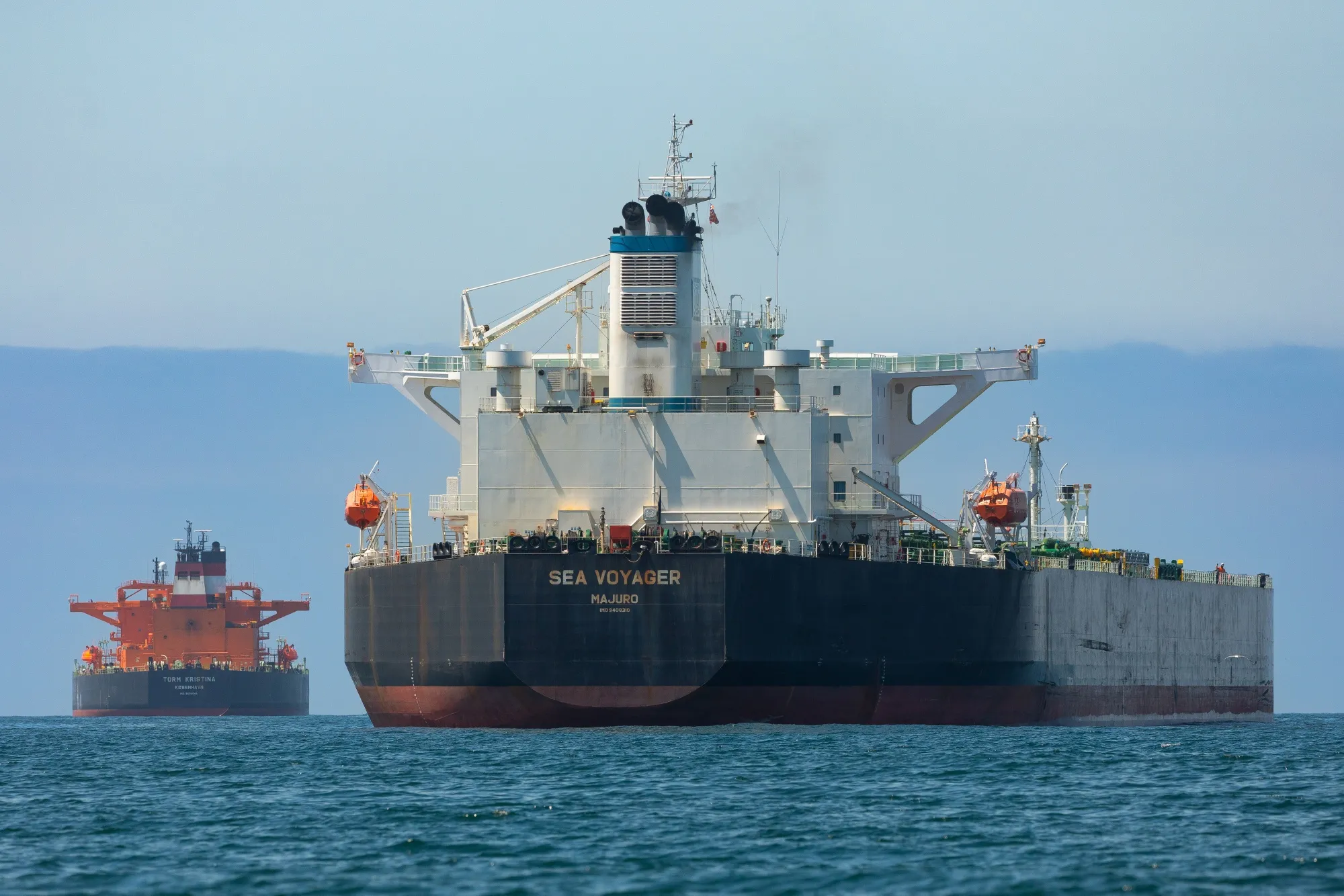
Shipping rates have surged due to ongoing conflicts in the Middle East, while years of underinvestment have constrained global shipbuilding capacity, limiting new supplies. Wang noted that this situation offers clear earnings visibility for shipyards and oil transport companies. In contrast, the AI sector is becoming riskier due to the massive spending by tech firms.
Shares of major Asian shipping companies, such as COSCO Shipping Energy Transportation Co. and Samsung Heavy Industries Co., have increased approximately 200% and 100% over the past year, respectively.
While many hedge funds are focusing on tech and AI stocks, Wang explained that his fund has chosen to invest more in industrial sectors like shipyards and oil tankers, which offer higher earnings visibility.
In March, HD Capital reduced its exposure to equities, cutting its overall stock holdings from over 90% to about 65% due to rising geopolitical risks. Its flagship Horizon China Non-US Feeder Fund now has only 1% invested in internet stocks.
Wang pointed out that major tech companies in the U.S. and China are caught in a competitive struggle to develop their AI models through high spending, and they may find it difficult to achieve returns that match their investments.
“The global capital expenditure in AI seems to be a bubble,” he remarked. “Billions have been spent on AI development, but the revenue generated falls far short of those expenditures.”
HD Capital has also found success by investing in distressed assets closer to home. Wang shared that the fund purchased debt from New World Development Co. at significant discounts during a liquidity crisis, convinced that Hong Kong authorities and banks would prevent the property giant from failing.
“It was a liquidity issue, not insolvency,” he explained, adding that government support and the company’s strong assets gave the fund confidence that the bonds would recover.