
By Dave Sherwood and Marianna Parraga
HAVANA/HOUSTON, Dec 12 (Reuters) – This week, the U.S. took action to seize an oil tanker coming from Venezuela, which may worsen the already critical situation in Cuba. The island nation is struggling to find enough oil to keep its economy and electrical grid running.
Cuba, governed by a Communist regime, faces daily rolling blackouts that last for hours, affecting productivity and testing the limits of its citizens’ patience.
According to shipping data and analysts, Cuba relies heavily on crude and refined oil from Venezuela. This oil reaches Cuba via small boats and a fleet of sanctioned tankers.
If the seizure of this tanker becomes a common occurrence, along with new sanctions, it could seriously disrupt this vital supply chain.
This past Thursday, the U.S. imposed new sanctions on six vessels linked to Venezuela and plans to intercept more tankers carrying Venezuelan oil in the weeks ahead, according to sources familiar with the situation.
From January to November of this year, Venezuela supplied Cuba with 27,000 barrels of oil per day, a decrease from 32,000 bpd in the previous year, based on shipping data and internal documents from the Venezuelan state oil company PDVSA.
This amount covers about half of Cuba's oil shortfall, which is roughly a quarter of its total oil demand, according to Jorge Pinon, an expert on Cuba's energy sector at the University of Texas at Austin.
If Venezuela's contributions drop, and with a further decrease in oil supply from Mexico this year, Cuba will be in a very difficult position, he adds.
“With less oil from Mexico and no significant supply from Russia, I don't see other options,” Pinon remarked. “Things are tough and are set to get tougher.”
Neither the Cuban nor the Venezuelan governments, nor PDVSA, responded to requests for comment on this matter.
The U.S. action is part of a broader strategy by President Donald Trump to increase pressure on Venezuelan President Nicolas Maduro. This has made many shipping companies reconsider their plans to operate from Venezuela, sources told Reuters.
Cuban President Miguel Diaz-Canel condemned the tanker seizure, saying on X, “This is an act of piracy, a violation of international law, and an escalation of aggression against our sister country.”
For decades, Cuba has navigated around a U.S. trade embargo from the Cold War era, which complicates its ability to purchase fuel on the global market.
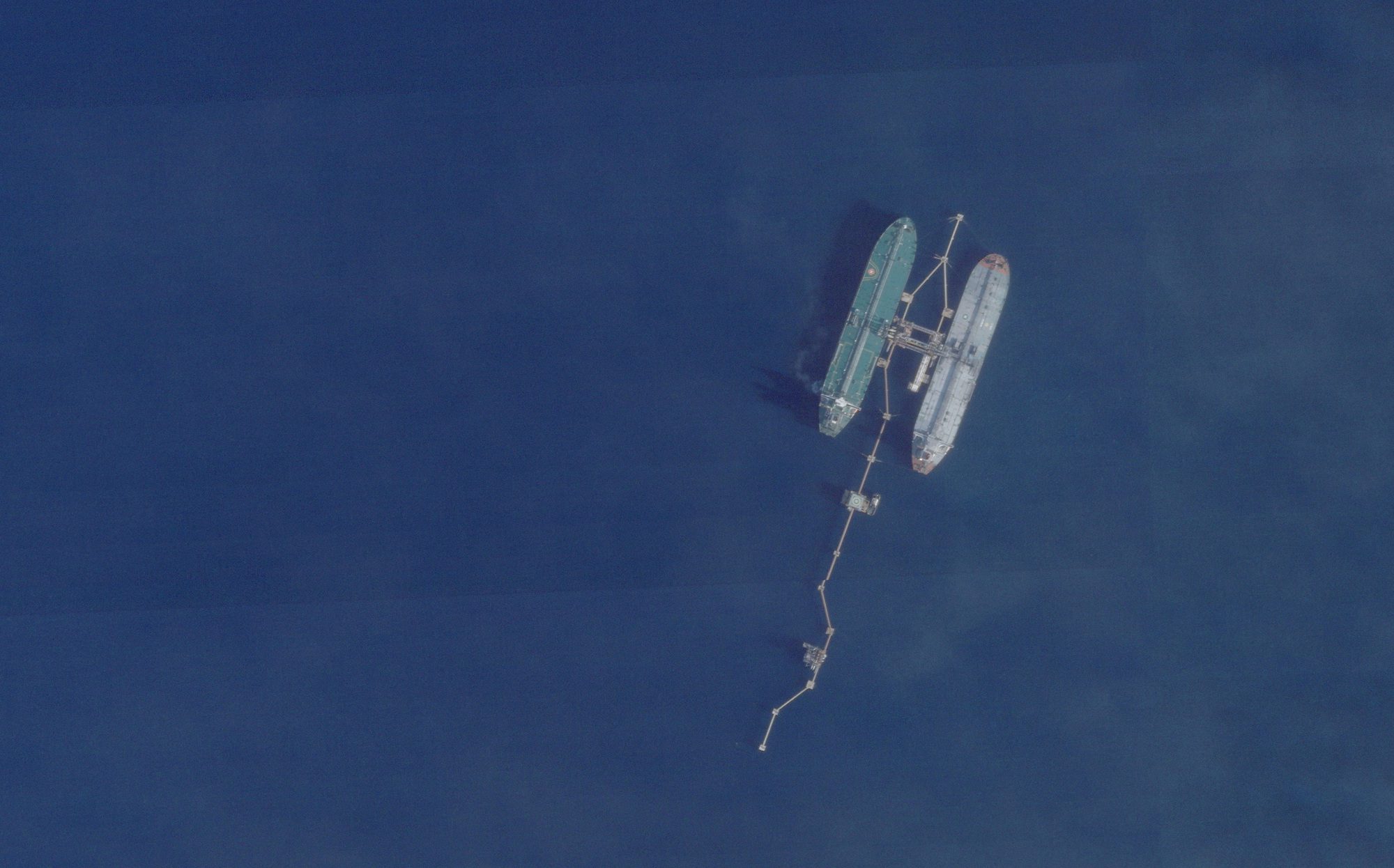
The seized tanker, named Skipper, transferred part of its Venezuelan oil near Curacao to another tanker destined for Cuba, as shown by satellite images from TankerTrackers.com.
This aligns with a trend observed earlier this year, where third-party-owned supertankers would load oil from Venezuela, briefly stop in the Caribbean to transfer part of their cargo to vessels heading to Cuba, and then continue to China with the remaining oil.
The specifics of the arrangements between Venezuela and Cuba regarding these cargoes are not clear. Historically, Cuba has provided security and intelligence support to Maduro's government.
This year, Cuba and Venezuela have also exchanged some Russian naphtha cargoes, as tankers have been used more efficiently between the two countries.
In response to the crisis, Cuba has announced plans to expedite the construction of solar parks, although officials warn that the island's outdated oil power plants will still require fuel.
(Reporting by Dave Sherwood in Havana and Marianna Parraga in Houston; Editing by Christian Plumb and Tom Hogue)