
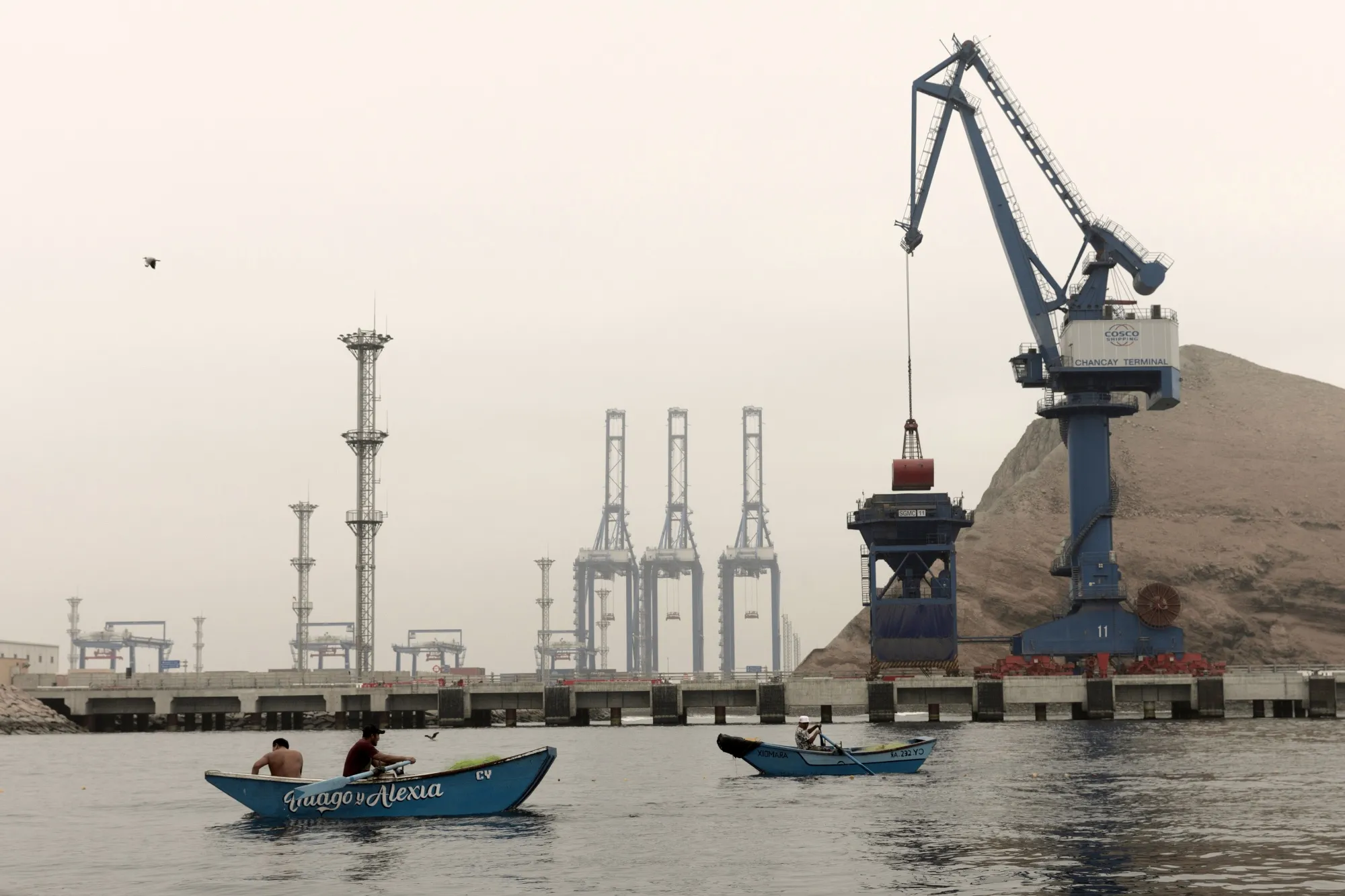
On July 2, 2026, a Peruvian court instructed the government to oversee a Chinese-operated port near Lima. This move is part of US efforts to limit China's expanding influence in the region.
The court's decision reversed a previous ruling from January, which stated that the Pacific port of Chancay was not subject to certain regulations by Peru's infrastructure agency, Ositran.
Chancay is run by COSCO Shipping Ports, a Chinese company, and was designed to decrease shipping times between Latin America and Asia. With the US refocusing its attention on Latin America, the port has become a symbol of the increasing tensions between Washington and Beijing.
The earlier ruling raised concerns for the Trump administration, which argued that it could threaten Peru’s sovereignty. Ositran also expressed worries, stating that the decision would leave users of the port vulnerable.
Last February, the US State Department’s Bureau of Western Hemisphere Affairs warned, “Let this be a cautionary tale for the region and the world: cheap Chinese money costs sovereignty.”
US Ambassador to Peru, Bernie Navarro, praised the new ruling on social media and visited Chancay for the first time last month, where he donated two scanners to assist Peru’s customs agency.
The $1.3 billion port was inaugurated by Chinese President Xi Jinping in 2024. China is currently Peru's largest trading partner, followed by the US.
The court accepted the argument that although Chancay is privately owned, it serves public use. Therefore, it falls under Ositran's authority to regulate and inspect operations in accordance with Peruvian law.
An appeal of this decision is still possible. COSCO Shipping Ports has not yet commented.
Earlier this week, both Navarro and Secretary of State Marco Rubio congratulated conservative Keiko Fujimori on her presidential election victory, expressing hopes for enhanced cooperation on regional security and trade.