
By Kanoko Matsuyama
Dec 7, 2025 (Bloomberg) – Relations between China and Japan have become more strained after a Chinese fighter jet used fire-control radar on Japanese military planes for the first time. This situation follows comments made by Japan's Prime Minister Sanae Takaichi about potentially deploying military forces alongside other nations in response to a Chinese attack on Taiwan.
There are conflicting reports about the incident. Japan claims that a Chinese fighter locked radar onto its jets while they were flying over international waters on Saturday, whereas China accuses Japan of interfering with its air exercises.
Takaichi expressed her concerns on a TBS News broadcast, calling the situation "extremely unfortunate." She stated that Japan has strongly protested to China and demanded preventive measures. "We will respond calmly and firmly," she added.
In response, China's foreign ministry denied Japan's accusations, accusing Japan of trying to create tension and mislead the international community. The ministry stated, "China does not accept the so-called protest from Japan and has rejected it immediately, also lodging counter-protests in both Beijing and Tokyo."
Beijing has claimed that Takaichi is meddling in its internal affairs and has issued economic and diplomatic repercussions, demanding she retract her statements. Takaichi has refused to backtrack, maintaining that Japan's stance remains unchanged, which has led to a diplomatic deadlock.
On Wednesday, Takaichi emphasized Japan's long-standing position of understanding and respecting China's views on Taiwan, a statement that some users on Chinese social media interpreted as an effort to soften her previous comments.
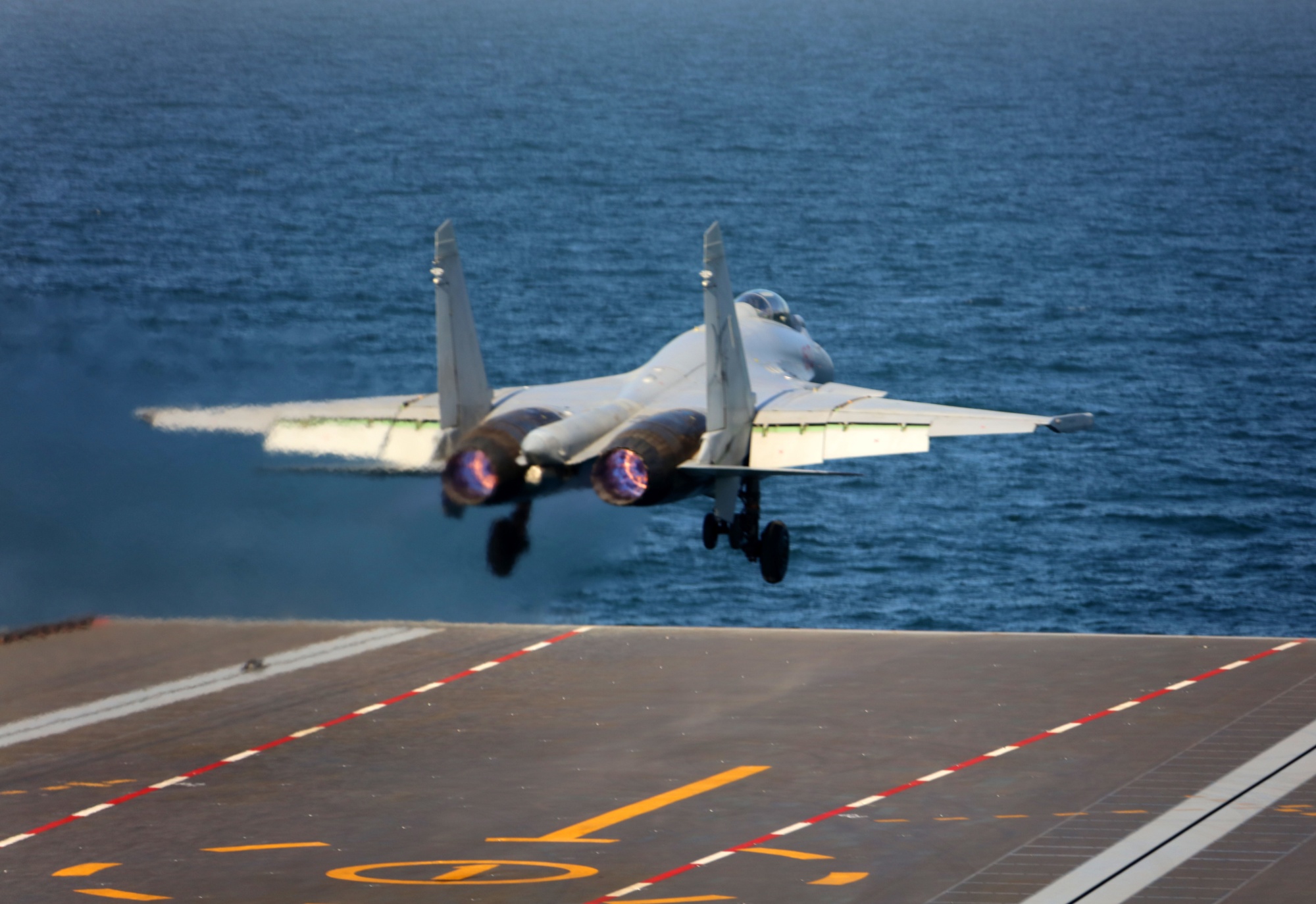
Japanese Defense Minister Shinjiro Koizumi reported that a Chinese J-15 fighter had intermittently aimed radar at two Japanese F-15 jets over waters southeast of Japan's Okinawa Prefecture. The first instance occurred for three minutes shortly after 4:30 p.m. on Saturday, with a second incident targeting a different F-15 two hours later.
The F-15s were deployed to ensure that the Chinese aircraft, which had launched from an aircraft carrier, did not enter Japanese airspace.
A spokesperson for the Chinese navy stated that Japanese Self-Defense Force planes repeatedly approached and disturbed its training exercises, which they described as a serious threat to flight safety.
During a meeting in Tokyo, Australian Defense Minister Richard Marles expressed concern over these developments, stating, "We expect that interactions between our military forces, including with those of China, are safe and professional."
Koizumi echoed this sentiment, affirming Japan's commitment to maintaining peace and stability in the region.
It remains uncertain whether the Chinese radar locking incident was intentional or just coincidental. However, there is a precedent: a similar event occurred in January 2013 during a disagreement between the two countries over uninhabited islands in the East China Sea.
Since Takaichi's comments on Taiwan on November 7, China has advised its citizens to refrain from traveling to Japan, filed protests with the United Nations, and sought support from other nations for its "One China" principle. US President Donald Trump also communicated with both Chinese leader Xi Jinping and Prime Minister Takaichi in separate calls in late November.
The Yomiuri newspaper reported on Sunday that Japanese companies are experiencing delays in obtaining Chinese approval for importing minerals, including rare earths, citing several unnamed government officials.
Takaichi has not indicated any strong intention for retaliation against China. Both she and Foreign Minister Toshimitsu Motegi have reiterated that Japan's position aligns with a 1972 Sino-Japanese joint statement, which acknowledges China's view of Taiwan as an "inalienable part of its territory," without explicitly agreeing to the "One China" principle.